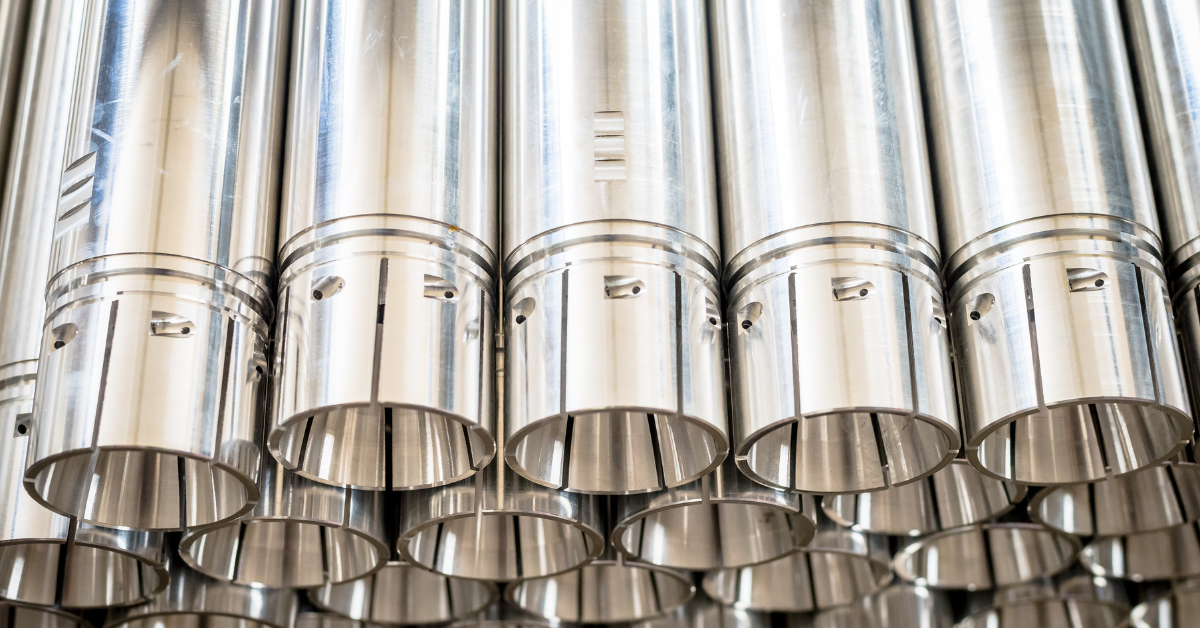
In fabrication and engineering, the smallest component often plays the biggest role in performance. Among such components, bends hold a critical place, especially in automotive and industrial exhaust systems. Precision-engineered bends ensure smooth flow of gases or fluids, enhance durability, and allow fabricators to create complex systems without compromising efficiency. While there are multiple materials available, Stainless Bends stand out due to their strength, resistance to corrosion, and adaptability in demanding environments.
This guide explores everything you need to know about stainless bends: their uses, manufacturing process, advantages, applications in different industries, comparison with other materials, and tips for selecting the right bends for your project.
Why Stainless Bends Are So Important
Bends are used to change the direction of flow in piping systems. In industries such as automotive, aerospace, marine, and construction, the design of bends impacts not only functionality but also efficiency. In exhaust systems, for example, poorly made bends can create back pressure, leading to performance loss and engine strain.
Stainless bends resolve these issues by combining durability with smooth internal surfaces that maintain flow consistency. Their ability to withstand extreme heat, pressure, and corrosive environments makes them a standard in high-performance fabrication.
Properties of Stainless Steel That Make It Ideal for Bends
The effectiveness of stainless bends lies in the properties of stainless steel itself:
- Corrosion Resistance: Stainless steel contains chromium, which forms a protective oxide layer, preventing rust even in moisture-heavy conditions.
- Strength at High Temperatures: Unlike aluminum or mild steel, stainless maintains its strength even at extreme heat, making it ideal for exhaust applications.
- Formability: Stainless can be mandrel-bent without losing structural integrity, ensuring bends retain consistent diameters.
- Aesthetic Finish: With its polished surface, stainless also adds a premium look, suitable for visible components in vehicles or machinery.
Manufacturing of Stainless Bends
Stainless bends are created through specialized bending processes. Each method has unique benefits, depending on the application:
1. Mandrel Bending
- Maintains constant inner diameter.
- Prevents wrinkling or collapse.
- Used for high-performance exhaust systems.
2. Compression Bending
- Simpler and cost-effective.
- May cause slight deformation on the inside radius.
- Suitable for less demanding applications.

3. Roll Bending
- Used for large-radius bends.
- Common in structural projects and heavy industries.
By using the right bending technique, manufacturers ensure that bends meet strict tolerances, withstand pressure, and perform consistently under stress.
Types of Stainless Bends Available
Stainless bends come in a wide variety of shapes and specifications:
- 45-Degree Bends: Used where subtle directional changes are required.
- 90-Degree Bends: Common in exhaust and piping systems.
- 180-Degree U-Bends: Ideal for compact designs requiring flow reversal.
- Mandrel Bends: Preferred in high-performance builds for unrestricted flow.
- Custom Radius Bends: Fabricated for unique engineering requirements.
Applications of Stainless Bends in Automotive Engineering
The automotive industry is one of the largest consumers of stainless bends. They are critical in systems that demand precision, heat resistance, and durability.
Exhaust Systems
Stainless bends shape exhaust pipes, allowing gases to flow smoothly without creating turbulence. They are integral to custom exhaust fabrication, headers, downpipes, and turbo systems.
Turbocharger Piping
Turbo systems require strong, leak-proof bends to handle high-pressure exhaust gases. Stainless bends maintain structural integrity under these extreme conditions.
Intake Systems
Though aluminum is often used for intakes due to its light weight, stainless bends are preferred in certain high-stress applications where heat and strength requirements are greater.
Industrial Applications of Stainless Bends
Beyond automotive use, stainless bends are also found in industries such as:
- Aerospace: Used in jet engine exhaust and cooling systems.
- Marine: Resistant to saltwater corrosion, making them ideal for ships and offshore equipment.
- Construction: Applied in architectural designs, structural piping, and water systems.
- Food & Beverage Industry: Stainless bends meet hygiene standards for piping in breweries and food processing plants.
Stainless Bends vs. Aluminum and Mild Steel
A critical aspect of choosing bends is comparing materials. While stainless steel, aluminum, and mild steel are all used, they serve different purposes.
| Property | Stainless Steel Bends | Aluminum Bends | Mild Steel Bends |
|---|---|---|---|
| Strength | High | Moderate | Moderate |
| Weight | Heavy | Light | Heavy |
| Corrosion Resistance | Excellent | Good | Poor |
| Heat Resistance | Excellent | Moderate | Low |
| Cost | Higher | Lower | Lowest |
| Common Use | Exhaust systems, marine, aerospace | Intercooler piping, lightweight builds | Budget exhausts, structural work |
From the table, stainless bends clearly dominate applications where strength and durability are priorities.
Advantages of Using Stainless Bends
Stainless bends come with several benefits that make them worth the investment:
- Long service life due to rust resistance.
- Ability to withstand extreme thermal cycling.
- Improved exhaust flow and efficiency.
- Easy integration with stainless tubing and mufflers.
- Low maintenance requirements.
- Enhanced aesthetic appeal for custom builds.
Challenges with Stainless Bends
While stainless bends offer significant advantages, they also present some challenges:
- Cost: Stainless bends are more expensive than aluminum or mild steel options.
- Weight: Heavier compared to aluminum, which may affect weight-sensitive builds.
- Fabrication Difficulty: Requires specialized equipment and skilled welding for proper installation.
These challenges are manageable when weighed against the long-term benefits of performance and durability.
How to Choose the Right Stainless Bends
When selecting stainless bends for your project, consider the following factors:
- Application Environment: High-heat applications like exhausts require thicker stainless bends.
- Bend Radius: Mandrel bends are best for performance, while compression bends may suffice for budget builds.
- Tube Diameter: Match bends with the rest of the piping system for consistent flow.
- Grade of Stainless Steel: 304 and 316 stainless steels are the most common choices.
- Fabrication Compatibility: Ensure bends can be easily welded with your chosen tubing.
Case Study: Custom Exhaust Fabrication with Stainless Bends
A performance car enthusiast building a custom turbo exhaust system must choose between mild steel and stainless. Mild steel offers a cheaper upfront cost but corrodes quickly, requiring replacements. Stainless bends, though more expensive, provide superior longevity, resistance to rust, and improved exhaust flow. Over the life of the vehicle, stainless bends save money and ensure consistent performance.
Future of Stainless Bends in Engineering
With industries moving toward higher efficiency and sustainability, stainless bends continue to evolve. Advances in bending technology allow for more precise manufacturing, while new stainless alloys offer improved strength-to-weight ratios. In automotive engineering, stainless bends remain central to innovations in hybrid and electric vehicle exhaust systems, where thermal management is critical.
Maintenance and Care Tips
To ensure the longevity of stainless bends, follow these best practices:
- Regularly inspect for cracks or weld failures.
- Clean using non-abrasive solutions to maintain shine.
- Avoid mixing stainless with non-stainless metals to prevent galvanic corrosion.
- Ensure proper installation with correct welding methods.
Final Thoughts
Stainless bends may seem like small components, but their role in fabrication is enormous. From improving exhaust flow in cars to ensuring corrosion resistance in marine systems, they combine strength, durability, and reliability. While cost and weight can be considerations, the long-term performance benefits make stainless bends an unmatched choice.
Whether you are building a high-performance turbo exhaust, a marine cooling system, or an industrial piping project, stainless bends provide the reliability and efficiency needed to succeed. By understanding their properties, applications, and advantages, fabricators and engineers can make informed decisions that deliver lasting results.